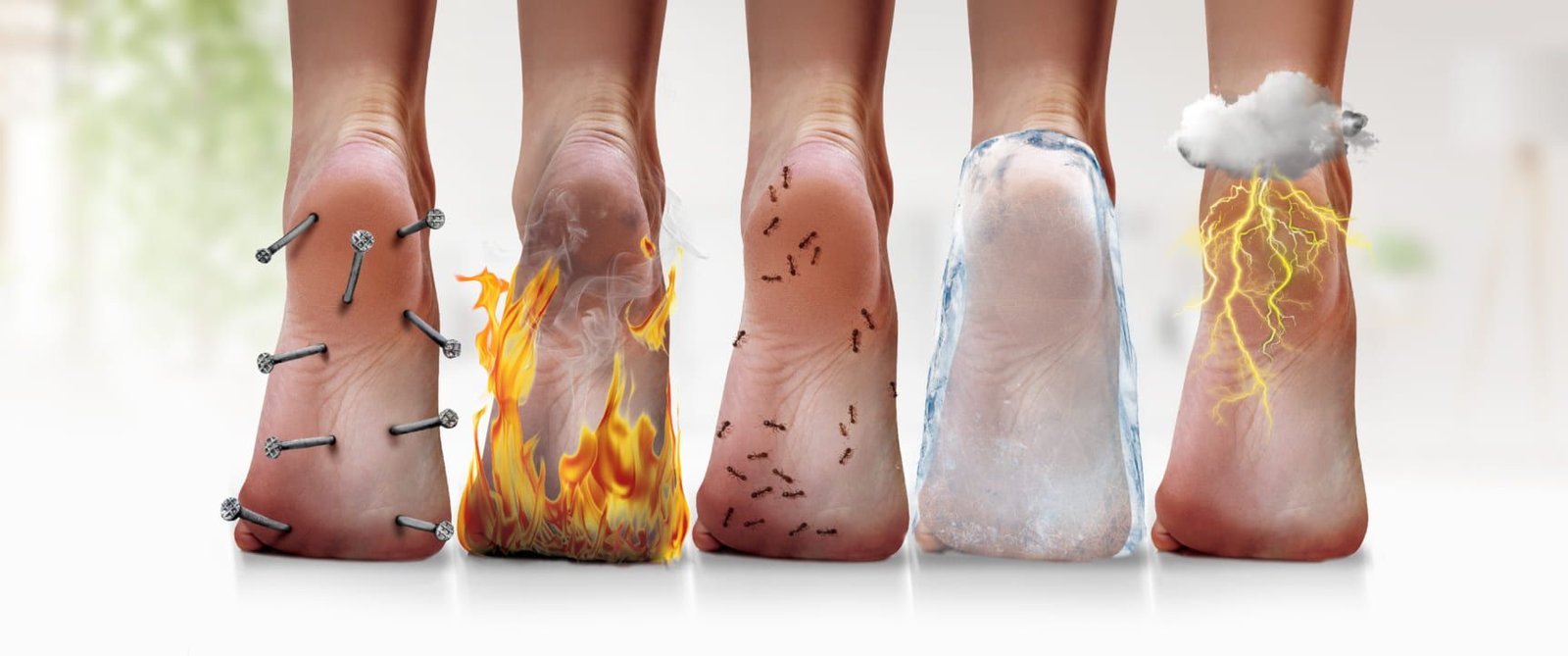
What Is Plantar Fasciitis?
Plantar fasciitis is irritation of the plantar fascia, a thick band of tissue running from the heel to the base of the toes that supports the foot's arch and absorbs shock during walking. It's one of the most common causes of heel pain, accounting for roughly a million healthcare visits a year in the United States according to a 2024 evidence review of the condition.
Despite the name, researchers increasingly describe the condition as "plantar fasciopathy" rather than true inflammation, since imaging often shows degenerative tissue changes rather than classic inflammatory signs — a distinction that matters because it points treatment toward mechanical load management rather than anti-inflammatory approaches alone.
Why Does It Hurt Most in the Morning?
Morning heel pain happens because the plantar fascia tightens and shortens overnight while the foot rests in a relaxed, pointed position, then gets abruptly stretched the moment you stand up and load it with body weight. That sudden stretch on shortened tissue is what produces the sharp, stabbing first-step pain many people describe.
What Causes Plantar Fasciitis?
What Treatments Actually Have Evidence Behind Them?
A tiered, evidence-based approach works best for most people: start with low-risk conservative care, and escalate only if pain persists. A comprehensive treatment framework published in 2024 lays out exactly this progression.
First-line, low-risk options
- Calf and plantar fascia stretching — consistently one of the best-supported interventions, gradually restoring flexibility in the tissue that's under tension each morning.
- Rest, ice, and activity modification during flare-ups to reduce acute strain.
- Supportive footwear and arch-support insoles — orthotic insoles have research support for reducing plantar pressure and easing pain as part of a conservative plan, per the 2026 arch-support finite-element study. This is the category an insole like Akusoli belongs to, and it's the part of Akusoli's design most aligned with real evidence.
- Night splints, which keep the fascia gently stretched overnight to reduce the morning-step pain spike.
Intermediate options for persistent cases
- Physical therapy targeting calf strength and foot mechanics.
- Extracorporeal shock wave therapy (ESWT) for cases that don't respond to first-line care.
Specialist and surgical options
Reserved for recalcitrant cases that don't respond to conservative treatment — including options like platelet-rich plasma injections or, rarely, surgical release — and should only be considered under a podiatrist or orthopedic specialist's guidance.
Where Do Arch-Support Insoles Like Akusoli Fit In?
Arch-support insoles are appropriately used as a first-line, supporting tool inside a broader plantar fasciitis plan — not a standalone cure. Akusoli's cushioned arch structure fits this role: it can reduce strain during the hours you're on your feet, but it works best paired with stretching and, if pain doesn't improve, a podiatrist's evaluation. For more on which specific components of Akusoli have research backing, see our insole mechanism science page.